


Meditation apps can help establish a consistent practice. They offer structure, guidance, and encouragement to begin—or begin again.
But they can also make mindfulness seem like something that only counts when you have a timer running and an unbroken streak.
You don’t need an app to develop flexible focus, perceptual clarity, or responsive composure. You need small intervals that already exist in your day, a way to recognize when they begin and end, and a plan for what to notice while they last.
What you need:
slivers of time
a way to track them as they pass
sensory options
It seems like we don’t have time to strengthen our attention. More often, we resist giving up even a few of the fragments we already spend rehashing conversations, overthinking decisions, and rehearsing worst-case scenarios.
It seems like we need an official timer. In reality, unofficial timers are better suited to developing mindful awareness and are surprisingly abundant when we start looking for them.
It seems like we shouldn’t need to plan to be more present. In reality, without a plan, we tend to waste potential practice time because we are not prepared to dive into our perceptions.
Shoot for more than zero seconds
A twenty-minute meditation is valuable. But it can become the enemy of noticing you’re alive more often than never if it convinces you that practice only counts when it is formal.
Stolen seconds add up to richer moments.
Notice how many times a day you’re waiting for something to begin or end. Allocate two or three of them to track sensory details. This requires foregoing a few seconds of figuring out yourself or the world.
Trust me. You can afford it.

Scout for fragments with obvious endpoints
Over the next few days, secretly spot ordinary situations that don’t last very long.
Your bathroom is full of them:
brushing your teeth
taking a shower
relieving your bladder
So is your kitchen:
making coffee
chopping vegetables
unloading the dishwasher
Your workday is littered with them, too:
your commute
waiting for a website to load
waiting for a meeting to begin
The best candidates are ordinary, recurring, and long enough to hold a sensory pause without requiring your full problem-solving attention.
Once you have a list of contenders, pick two or three to convert into mindful awareness timers. Explore them for two or three weeks and see what you discover.

Decide what you’ll notice before the timer starts
Before the moment arrives, choose one kind of experience you can explore while the clock runs out: sounds, sights, body sensations, taste, smell, thoughts, or emotional pressure.
Examples:
While I brush my teeth, I will notice the changing sensations in my mouth, hands, and face.
While I heat something in the microwave, I will notice how many sounds I can hear around me and try to listen to them closely.
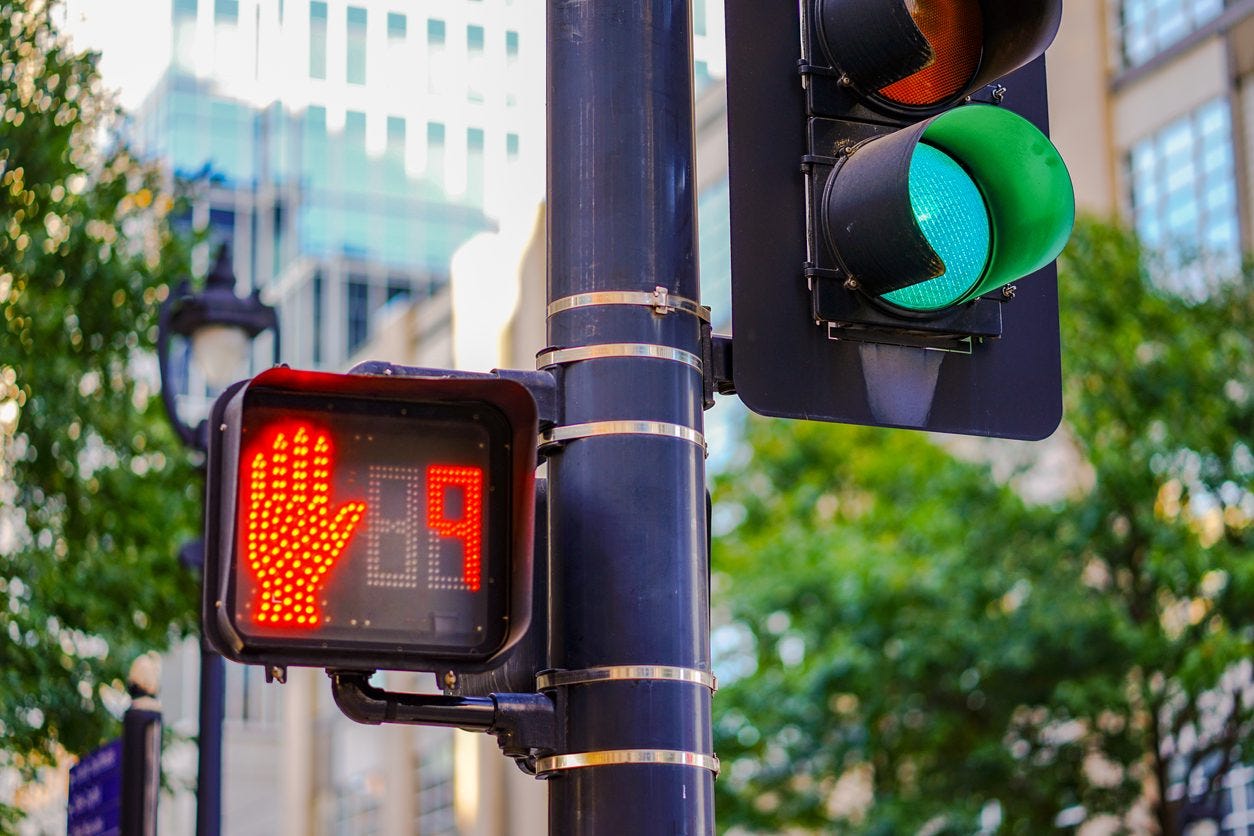
While I wait for a green light, I will watch the flow of cars moving through the intersection.
While I wait for a Zoom meeting to begin, I will secretly savor any relaxation that I’m able to find in my body.
You might be surprised by how many satisfying details have been quietly waiting in the background for a few seconds of your less-divided attention.
The point is not to turn every spare moment into a self-improvement project. It is to remember that ordinary life already contains more texture, richness, and possibility than your planning mind can keep track of.

Exercise
This exercise uses your breathing both to explore a variety of body sensations and to parse out a realistic, tangible duration for each repetition of close noticing.
Circumstances for learning this attention exercise
before reaching for your device
while waiting for something to begin or end
before deciding how to spend the evening
